How a Fishing Trip Planner Transforms Your Florida Keys Adventure
Every winter, I watch anglers arrive in the Florida Keys with rods in hand and hope in their hearts. Some of them catch the fish of a lifetime. Others spend half their vacation untangling lines at the dock, wishing they had done a bit more homework before they left home. The difference between those two outcomes often comes down to one thing: having a solid fishing trip planner in place before you ever hit the Overseas Highway.
A fishing trip planner is not a magic wand. It is a practical tool that helps you match your expectations with the realities of saltwater fishing in this chain of islands. The Florida Keys stretch more than a hundred miles, and the fishing changes dramatically from Key Largo down to Key West. What works for a family with young kids is rarely the same plan that suits a pair of experienced anglers chasing trophy tarpon. A good fishing trip planner helps you ask the right questions early, so you do not waste time and money on a charter that does not fit your goals.
Know Your Target Species First
One of the first things I learned after moving to the Keys is that you cannot fish for everything at once. The water holds snapper, grouper, tarpon, bonefish, and permit, among many others. Each species requires a different approach, a different time of year, and often a different part of the ocean. If you show up in July wanting to catch a bonefish on the flats, you might have a long, hot wait. That same week, though, the offshore fishing for dolphin and tuna can be outstanding.
Before you book anything, sit down and decide what kind of experience you want. Do you want to reel in big grouper from deep wrecks? Or do you prefer the quiet hunt of sight fishing for permit on the grass flats? Your answer will steer you toward the right captain and the right area. Marathon, for instance, is a terrific midpoint that gives you quick access to both the Atlantic and the Gulf. Islamorada has a deserved reputation for backcountry fishing and tarpon. Key West offers a mix of offshore and reef fishing with plenty of party boat options if you are traveling with a group that has varying skill levels.
Choosing the Right Charter Type
Not all charters are the same. A private charter with a single charter captain gives you the most control over where you fish and how long you stay. That personal attention often makes the difference on a tough day when the fish are not biting. The captain can read the water, consult the GPS fish finder, and adjust the plan on the fly. You pay more for that flexibility, but the experience is usually richer.
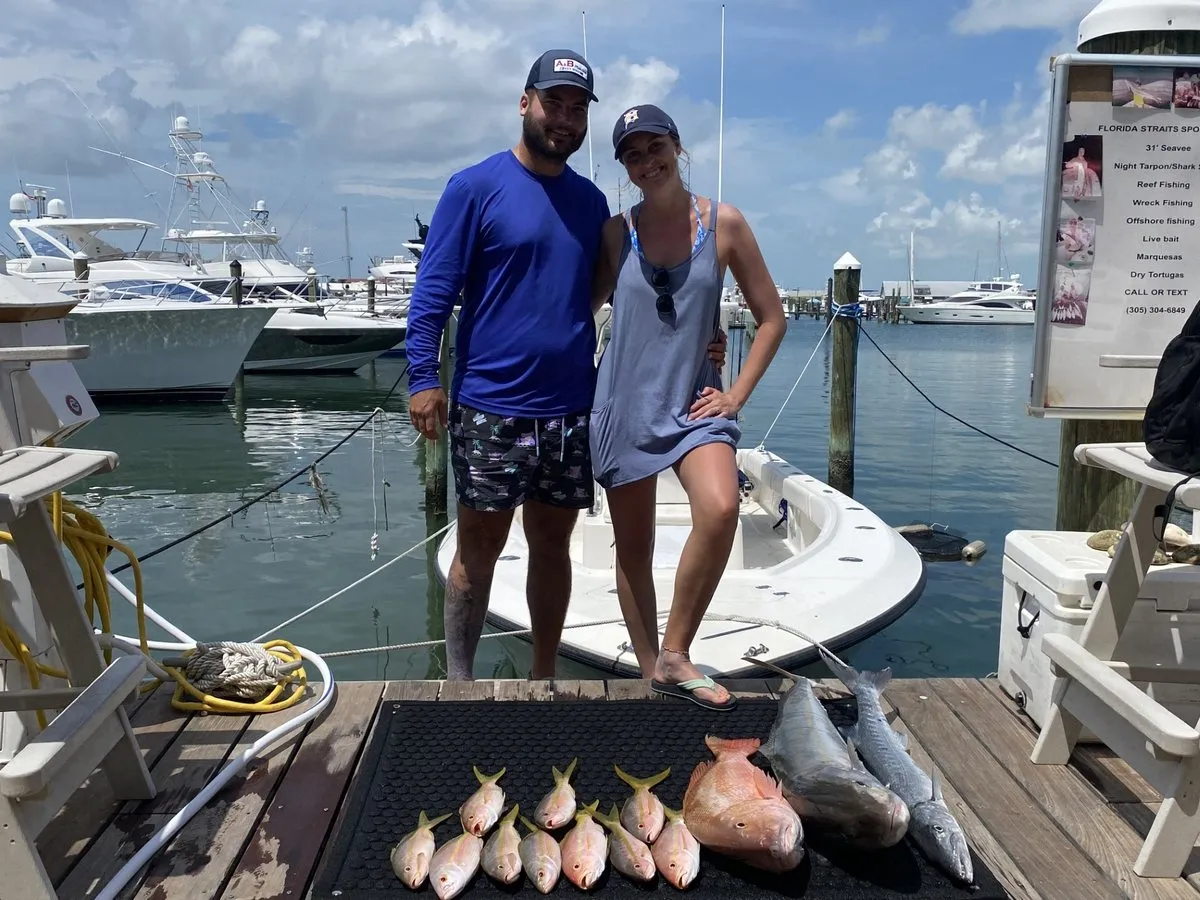
On the other hand, a party boat can be a smart choice if you are on a budget or if you want to fish without committing to a full day. These boats run scheduled trips, often to known reef fishing spots, and they provide all the tackle and bait. You fish alongside other anglers, which means less one-on-one guidance, but also a lower price per person. I have seen plenty of happy families on party boats pulling up snapper and grunt while the kids learn to bait a hook for the first time.
If you are an experienced angler who wants to target specific species like permit or bonefish, skip the party boat and look for a captain who specializes in light tackle or fly fishing. The flats around Key Largo and Islamorada hold some of the best permit fishing in the world, but you need a shallow-draft skiff and a guide who can spot a tailing fish from a hundred yards.
Gear and Tackle Considerations
Most charter captains provide rods, reels, and terminal tackle. You do not need to bring your own offshore trolling gear unless you have a favorite setup. That said, I always recommend bringing at least one spinning reel outfit in a medium-action range. It works for everything from casting live bait to working a jig over a patch reef. If you are targeting bonefish or permit on the flats, check with the captain first. Some prefer that you use their fly rods or specialized spinning gear to match the presentation.
Before you leave home, stop by a local tackle shop in the area you plan to fish. The folks behind the counter know what is biting that week. They can sell you the right size hooks, the right color jig, and the right leader material. A quick stop in Islamorada or Marathon has saved me more than a few slow afternoons. Do not rely on old internet reports. Conditions change fast in the Keys.
Licenses and Regulations
Every angler needs a Florida Fishing License unless they are fishing on a properly licensed charter boat. If you book a private charter, the captain usually has a blanket license that covers everyone on board. But if you plan to fish from shore, from a kayak, or on a friend's boat, you need your own license. You can buy one online from the Florida Fish and Wildlife Conservation Commission before you arrive. Do not skip this step. The fines are steep, and the wardens are thorough.
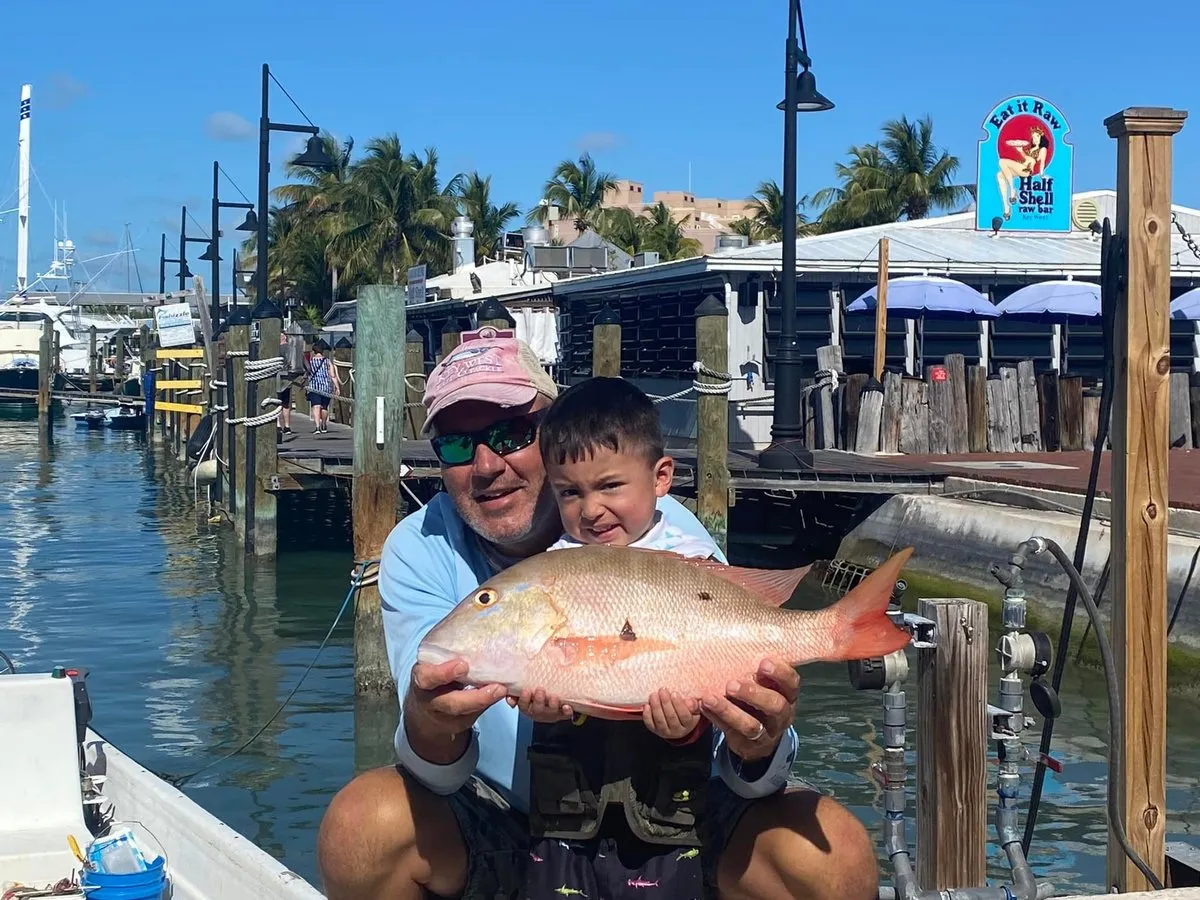
Size and bag limits matter, too. Snapper and grouper have strict limits, and some species have closed seasons. A good captain will keep you legal, but if you are fishing on your own, take the time to learn the rules. The reef fishing around Key Largo, for instance, is famous for yellowtail snapper, but you can only keep a certain number per person per day. Respect those limits so the fishing stays good for years to come.
When to Go and What to Expect
The Florida Keys fish well year-round, but each season has its strengths. Winter brings cooler water and good action on big grouper and sailfish. Spring is prime time for tarpon in the channels around Islamorada and Marathon. Summer means calm seas and excellent offshore fishing for mahi-mahi and tuna, along with reef fishing for snapper. Fall can be quieter, but the permit fishing on the flats often peaks in October and November.
Weather is the one variable you cannot control. Even the best fishing trip planner cannot guarantee flat seas. If a front moves through, the wind can blow hard for three or four days. That is when you appreciate having a captain who knows sheltered backcountry spots or can run to the lee side of an island. It also helps to build a buffer day into your schedule. If you only have one day to fish and the wind is howling, you might end up stuck at the dock.
Practical Tips for Planning Your Trip
Here are a few things I have learned the hard way so you do not have to:
- Book your charter at least six to eight weeks ahead during peak season, especially if you want a specific captain or boat. The best ones fill up fast.
- Ask the charter captain what he provides and what you should bring. Some supply drinks and snacks. Others expect you to bring your own cooler with lunch.
- Bring sunscreen, polarized sunglasses, a hat, and a light jacket. The sun is brutal even in winter, and the wind can chill you fast on the water.
- If you get seasick easily, take medication the night before and again in the morning. Do not wait until you are already nauseous.
- Tip your captain and mate. Twenty percent of the trip cost is standard if they worked hard and put you on fish.
These details might seem small, but they add up to a smoother day on the water. A thoughtful fishing trip planner accounts for all of them.
Final Thoughts on Building Your Own Plan
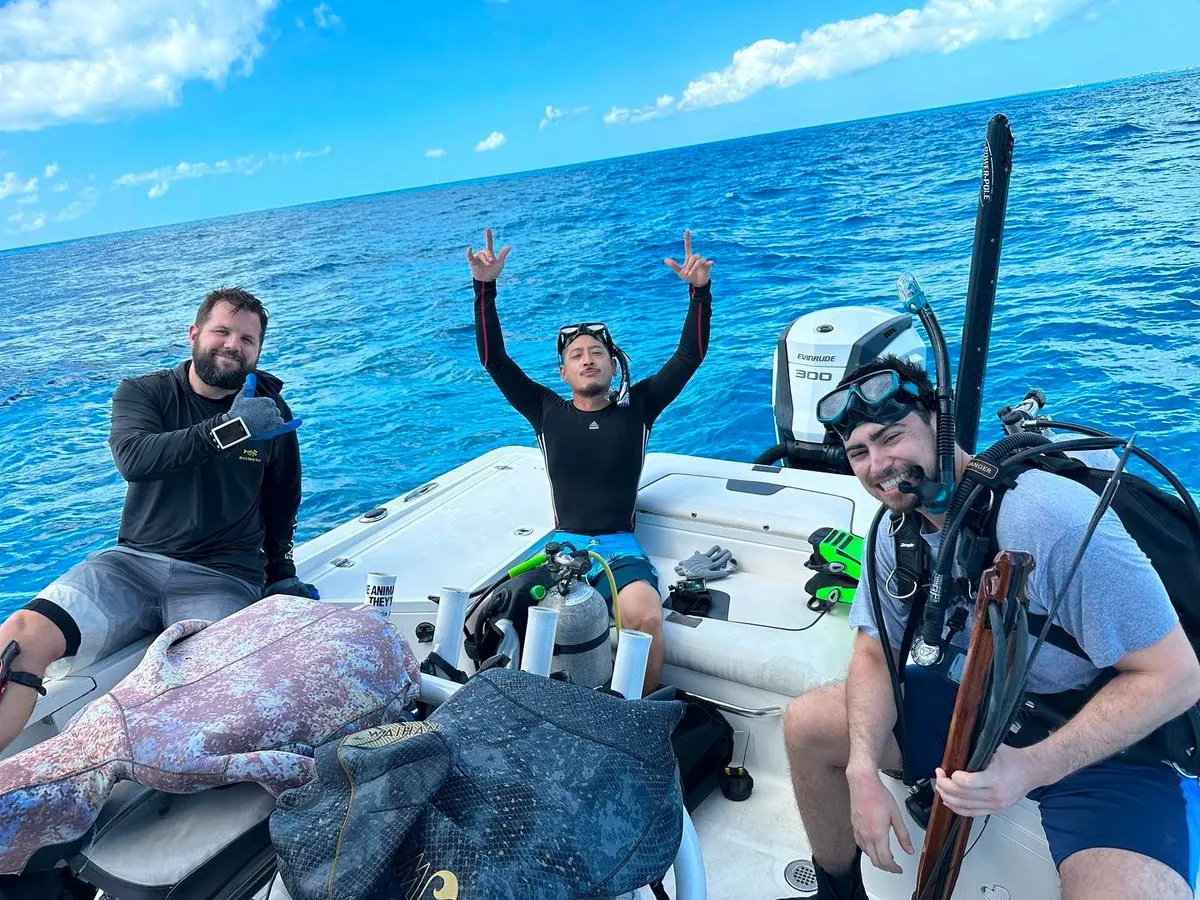
The Florida Keys are a big place with a lot of water. You can waste hours driving between marinas and tackle shops if you do not have a clear plan. That is why I tell people to treat their trip planning as seriously as they treat their packing. A little research ahead of time turns a good trip into a great one.
Whether you are chasing bonefish on the flats of Key Largo, casting live bait for grouper off Marathon, or riding a party boat out of Key West for reef fishing, the key is matching your expectations to the conditions. A solid fishing trip planner helps you do exactly that. It saves you money, saves you frustration, and puts you in the right place at the right time. And when the rod bends hard and the drag screams, you will be glad you took the time to get it right.